If you’ve been feeling anxious, overwhelmed, and stuck in your head lately… you’re not alone.
There was a time when I didn’t even realize how disconnected I had become from my body. My mind was constantly racing, my shoulders always tense, and no matter how much I tried to “think my way out of it,” nothing really changed.
That’s because anxiety doesn’t just live in your thoughts—it lives in your nervous system.
And here’s what most people don’t realize:
You can’t think your way into calm.
But you can support your body into feeling safe again.
That’s where somatic practices for anxiety come in.
These are simple, gentle ways to reconnect with your body, calm your nervous system, and start to feel more grounded—even on the days when everything feels like too much.
In this post, you’ll learn 10 somatic practices you can use to ease anxiety and overwhelm, many of which take less than a minute and can be done anywhere. That’s the beauty of it!
So I hope there is at least one thing here that you add to your own self care toolkit when you need it.

What Are Somatic Practices for Anxiety or Overwhelm?
Somatic practices can be considered ways to reconnect with your body through sensation, movement, and awareness.
They’re not workouts, or a movement routine that needs to look a certain way.
They’re small, intentional moments that signal safety to your nervous system.
And when I first started doing them, I was surprised how something as simple as noticing my breath or feeling my feet could shift my entire state—even if just a little.
It is this little shift that happens over and over again that is what builds regulation over time.
10 Gentle Somatic Practices to Calm Overwhelm
You don’t need to do all of these. And please don’t ever put guilt on yourself for not doing them either.
Just start with one that feels manageable in your own time.
1. Slowly Look Around You (Orienting)
This practice is simple—but incredibly powerful.
Pause and gently let your eyes scan your environment. Look for neutral or pleasant objects—a window, a plant, a mug you like.
The first time I tried this, I noticed how quickly my eyes usually move. Slowing down felt unnatural at first—but also grounding.
This helps your nervous system register:
“I’m safe right now.”
2. Feel Your Feet on the Ground
Bring your attention to your feet.
Press them lightly into the floor and notice the support beneath you.
When my thoughts start spiraling, this is the one I come back to most. It gives your mind something real and steady to anchor into.
Your body needs something solid—and your feet are always there.
3. Hand on Heart + Natural Breathing
Place one hand on your chest and one on your stomach.
Let your breath do whatever it wants—no forcing.
There’s something deeply regulating about your own touch. I used to underestimate this until I realized how quickly it softened that tight feeling in my chest.
It’s a quiet signal:
“You’re okay.”
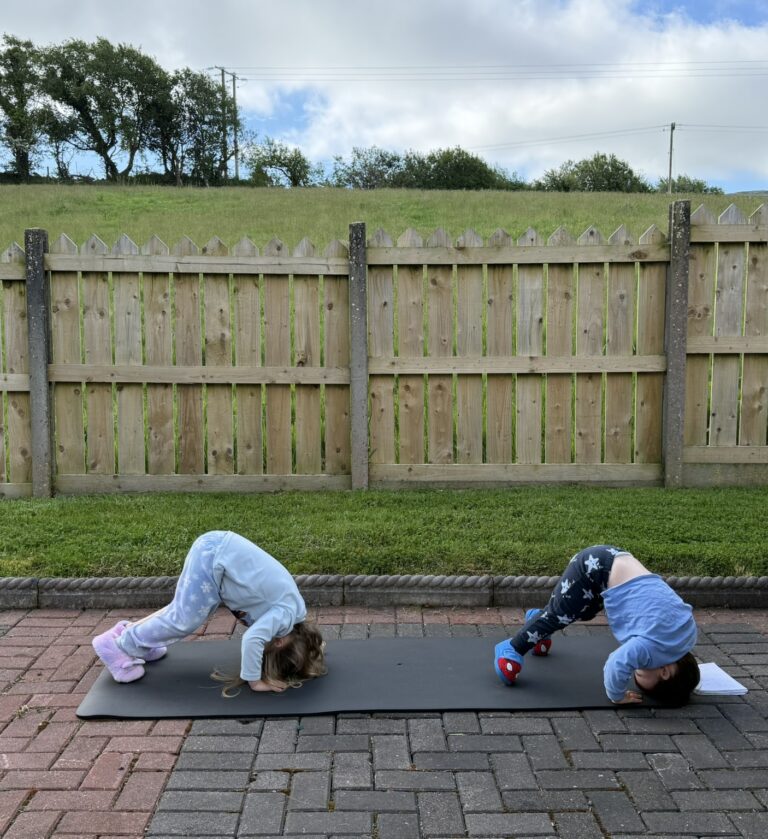
4. Gentle Rocking
Slowly rock side to side or forward and back.
Keep it small and natural.
This movement can feel surprisingly soothing. It’s actually one of the earliest ways humans experience comfort—and your body still remembers that rhythm.
5. Shake Out Tension
Gently shake your hands, arms, or shoulders.
It doesn’t have to be big or dramatic.
After long days of “holding it together,” I’ve noticed how much tension sits just under the surface. Shaking helps release that buildup in a way thinking never could.
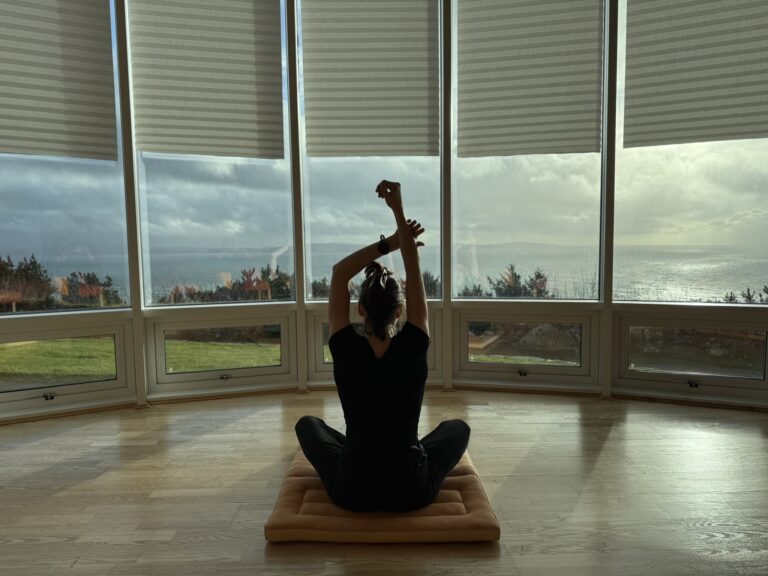
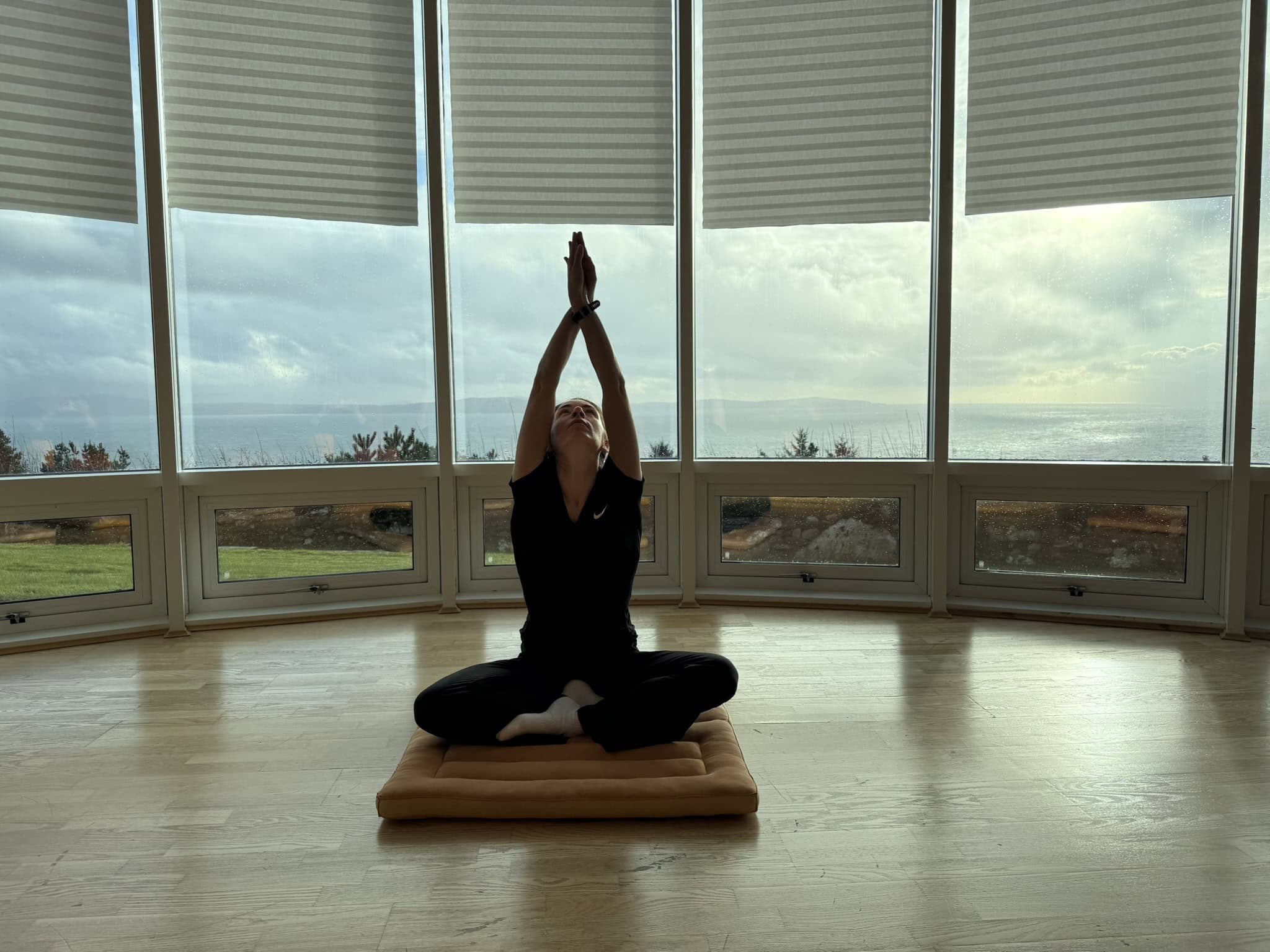
6. Slow, Mindful Stretching
Reach your arms up. Roll your shoulders. Stretch your neck.
Move slowly enough that you can actually feel each motion.
This isn’t about exercise. It’s actually about awareness.
I used to rush through stretching like a checklist. Slowing it down completely changed how connected I felt to my body.
7. Give Yourself a Gentle Hug
Wrap your arms around yourself and hold.
Stay there for a few breaths.
It might feel awkward at first! I definitely felt that, but it quickly becomes comforting. Like creating a sense of support from within.
8. Hum Softly
A quiet hum is enough.
You can do it while making tea, walking, or standing in your kitchen trying to reset your day.
It may feel a little strange, but humming naturally calms your nervous system. I started doing this without realizing it—and later understood why it helped.
9. Do a Simple Body Scan
Close your eyes if it feels safe.
Notice:
- Your jaw
- Your shoulders
- Your chest
- Your stomach
No need to change anything.
Just noticing is often enough to start releasing tension.
10. Let Your Body Move Freely
Put on music—or don’t.
Let your body move however it wants, even if it feels small or awkward.
This can feel vulnerable at first. But it’s one of the fastest ways to reconnect when you’ve been stuck in your head all day.
Why You Feel Disconnected in the First Place
When you’re constantly stressed, overwhelmed, or overthinking, your nervous system shifts into protection mode.
That’s when you feel:
- Disconnected from your body
- Stuck in your thoughts
- Unable to fully relax
It’s not a personal failure.
It’s your body trying to keep up with everything you’re carrying.
These somatic practices help you gently come out of that state—without forcing anything.
Start Small (This Is Enough)
If everything feels like too much, try this:
- Look around the room
- Press your feet into the ground
- Take one slow breath with your hand on your chest
That’s all. Just take things bit by bit, focus your attention on something grounding and keep the breath flowing.
You don’t need to fix everything today or tomorrow either. It’s really important not to put guilt or pressure on yourself to do anything.
Just one small moment of connection with the body is enough to begin.
Final Thoughts on Somatic Practices for Anxiety
It’s not more discipline you need or to try harder. Think less is more. Slow things down, take small steps. Give yourself moments to communicate safety signals to your body, so it can relax again.
So you can gently start here, without getting more overwhelmed.
And let it build—one breath, one movement and one moment at a time.
Ready to Feel More Calm and Grounded?
If these somatic practices helped you even a little, you’ll love having something more structured to come back to—especially on the days when overwhelm feels constant.
I created a free 7 Day Mini Reset Ritual to help you gently regulate your nervous system using:
- Simple breathwork you can do anywhere
- Gentle movement to release built-up tension
- Mindfulness practices to help you feel safe in your body again
This is the exact kind of support I wish I had when I felt stuck in my head and disconnected from myself—something simple, realistic, and actually doable.
You don’t need more pressure.
You just need a place to start.
I hope that this 7 day reset can help you feel more like yourself again.
About the Author

Elaina helps high-performing women who feel burned out reconnect with their bodies, minds, and breath. A somatic movement and breathwork guide, she teaches practical tools to release tension, reduce stress, and cultivate more energy and presence in daily life. Through 1:1 sessions, online programs, and free resources at Freedom in Life, Elaina empowers women to move, breathe, and thrive with ease.