Types of Breathwork Explained: Which One Is Right for You?

The term breathwork comes up a lot these days, especially in the wellness industry. It’s something I’m still learning and unpacking as I go, but I know it can get confusing. What exactly is it, how can you practice breathwork, is it for everyone, and why is it so popular?
I had all these questions and more when I first started. It took me months to figure out which path I wanted to follow in my studies, beyond freediving practices.
I wanted to lean in on breathwork that could help me day to day, in between managing a household and toddler tantrums. Something that keeps me grounded, and doesn’t take hours or weeks to gain transformation.
That’s why I created this guide: to give you an overview of the most common types of breathwork, how they vary, how they work, and who they are best suited for. By the end of this post, you’ll have a clearer understanding of the options available and the confidence to start with one breathing technique that works for you.
I hope that you can find something that will be useful to you, in times of high-stress or after a long night dealing with babies. If you can manage to build in a solid breathwork routine when you need it most, it can really help with staying calm and balanced.
Why should you trust me? As a freedive instructor, Oxygen Advantage and pranayama breathwork instructor, and swim coach, I’ve experienced the power of the breath firsthand. I’m constantly studying and learning more about it, and I want to help people who were once in the same place I was — curious about breathwork, but unsure where to begin.
So lets figure out the main types of breathwork, different techniques for different outcomes, and how you can decide what is best for you.
Why Breathwork Is Gaining Popularity
By consciously manipulating the breath, we can experience major physical and mental health benefits. Increasing breathing patterns can infuse energy and focus, while slowing down the breath — especially the exhale — can reduce stress and anxiety.
Rhythmic breathing can guide people into deep meditative states and even help release emotions or trauma. Circular breathing patterns without pause for extended periods are also linked to emotional release, energy unblocking, and support for conditions such as PTSD.
One study by MAPS found that 80% of inpatients with PTSD reported psychedelic-like experiences after just a one-day breathwork workshop.
Functional Magnetic Resonance Imaging (fMRI) studies also indicate that certain breathing practices can increase emotional regulation in certain parts of the brain.
The science is growing, the benefits are clear, and with so many methods being promoted today, it can be difficult to know which are trustworthy and well-established. Later in this post, I’ll share some tips on choosing what’s right for you. But first, let’s look at the different types of breathwork and their specialties.
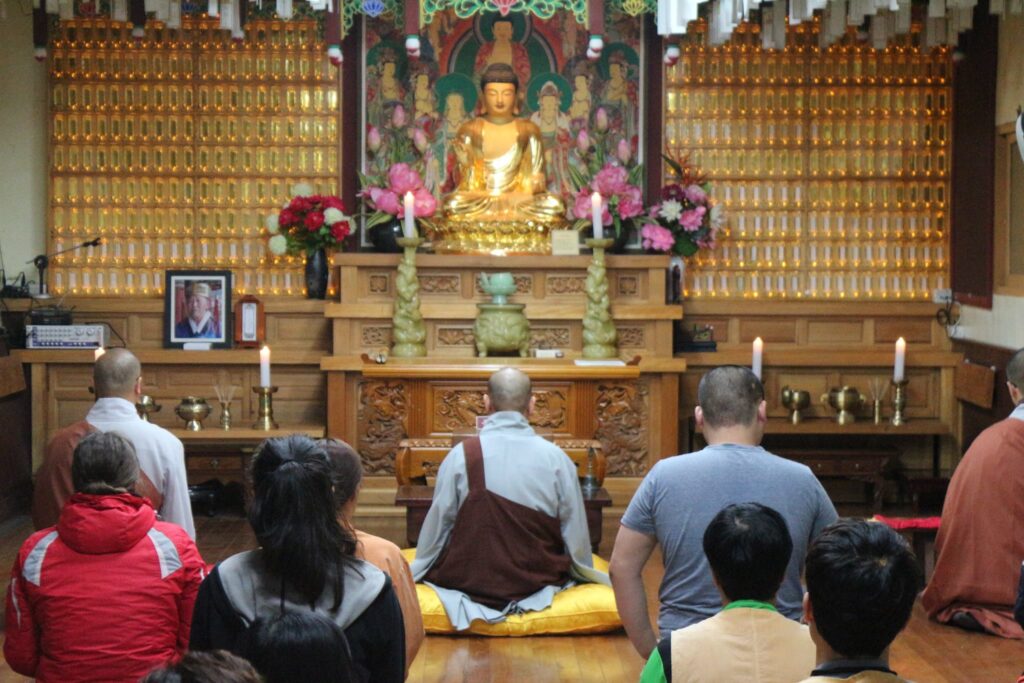
Types of Breathwork Practices
There are many types of breathwork, and each serves a different purpose. Let’s break them down into categories so you can see what resonates most with your needs.
Ancient and Traditional Breathwork Practices
Ancient practices are still widely used today for a reason — they work, they are safe, and millions of people practice them daily.
One of the most well-known traditions is pranayama (from Sanskrit: prana = energy, ayama = control). As the eighth limb of yoga, pranayama includes many different breathing techniques designed for different outcomes, such as energy, focus, digestion, calm, or mental clarity.
Common pranayama techniques include:
- Kapalabhati (Breath of Fire)
- Bhastrika (Bellows Breath)
- Bhramari (Humming Breath)
- Box Breathing
- Alternate Nostril Breathing
- Sheetali and Sheetkari (cooling and hissing breath)
- Viloma (against the grain)
- Ujjayi (victorious breath)
Modern Approaches to Breathwork
Modern approaches may not have deep roots in ancient traditions, but they are scientifically studied and shown to offer benefits. These practices are often more intense and are usually facilitated in person, as they can induce trance states or emotional release.
- Holotropic Breathwork – Developed by Stanislav and Christina Grof as an alternative to LSD therapy. It involves fast, deep breathing without pauses for an extended time, often with music. Used for emotional release and therapeutic altered states.
- Rebirthing Breathwork – Created by Leonard Orr. Similar to holotropic, but with gradual increases in breathing speed over 1–3 hours. Designed for emotional release and healing.
- Conscious Connected Breathing (CCB) – Continuous inhalation and exhalation without pauses, often facilitated in combination with other techniques. Used to release trauma, blockages, stress, and anxiety.
These methods can cause hyperventilation-like states, which research suggests may enhance the processing of traumatic experiences.

Breathwork for Altered States and Trance
Many modern practices are designed to guide participants into altered states. They are typically facilitated in groups, with music and guidance.
Examples include:
- Holotropic Breathwork
- Shamanic Breathwork
- Rebirthing Breathwork
These approaches are sometimes described as “psychedelic-like” experiences without substances. The circular breathing patterns causes a lowering of carbon dioxide in the body, which can induce altered states of consciousness. They can be powerful and should always be practiced with trained facilitators.
Breathing Styles: Slow vs. Fast
Slow Breathing
Techniques that slow the breath are calming, regulate the nervous system, activate the vagus nerve, and increase heart rate variability.
Most of the pranayama techniques are practiced with a slow breath. They can be practiced at a faster pace, but they are really good for beginners looking for relaxation.
So if you need a minute to yourself after a hectic morning getting the kids out the door, slow breathing can really help with resetting your energy and focus. Some of my favourite pranayama techniques for slow breathing are:
- Bhramari (humming)
- Anulom Vilom (alternate nostril)
- sheetkari (hissing breath)
- Ujjayi (deep breathing, victorious breath)
Fast Breathing
Faster methods are energizing and can bring emotional release, though they may feel uncomfortable at first. Hyperventilation techniques (such as the Wim Hof Method) have shown short-term stress relief benefits, though they may decrease oxygen delivery to the brain temporarily, causing lightheadedness.
These faster techniques, are typically used in longer breathing practices, in groups and with a facilitator. I often use youtube or breathing apps for audio guidance while practicing these, such as SOMA breathwork or Breathe with Sandy on youtube. They can also really help for effective destress or unwinding practices. However I think you need more time and make sure not to be disturbed for full effectiveness.
Popular Uses and Applications of Breathwork
Different techniques serve different goals. Here are common applications of types of breathwork:
- Functional breathing → Oxygen Advantage, Buteyko
- Therapeutic / healing → Holotropic, Rebirthing
- Sports performance → Oxygen Advantage, Wim Hof
- Emotional release → Holotropic, Shamanic
- Stress relief & sleep → Box Breathing, 4-7-8 Breathing
- Energy & focus → Kapalabhati, Breath of Fire, Bhramari, Wim Hof
- Quick resets → SOMA Breath, rhythmic breathing to music, pranayama basics

Safety Considerations for Breathwork
While most types of breathwork are safe, there are situations where caution is needed. Always consult your doctor or a professional if you are unsure.
Contraindications include:
- Pregnancy
- Heart conditions
- Certain mental health conditions
Begin gently, especially as a beginner. Once you build confidence, you can safely explore deeper practices.
How to Choose the Right Breathwork for You
With so many options available, the best choice depends on your personal goals, lifestyle, and current needs. Below is a table that organizes common types of breathwork by category, with notes to help beginners decide where to start.
| Category | Breathwork Practice | Best For | Notes / Beginner Suitability |
| On Your Own (no facilitator needed) | Pranayama (various techniques) | Balance, focus, relaxation | Foundational yoga breathing, many gentle beginner options |
| Soma Breath | Energy, stress relief, rhythm | Uses music + rhythmic patterns, engaging for beginners | |
| Wim Hof Method | Energy, resilience, cold exposure training | Powerful; best to follow a structured guide | |
| Oxygen Advantage | Sports performance, functional breathing | Great for athletes and everyday breathing efficiency | |
| Breath Holds (dry, not in water) | Calm, resilience, mental clarity | Needs care; best with prior guidance | |
| Guided / Facilitator-Led (group or in-person) | Conscious Connected Breathwork | Emotional release, trauma healing | Deep work; often used in therapy/group sessions |
| Shamanic Breathwork | Altered states, spiritual journeys | Best with experienced facilitators | |
| Holotropic Breathwork | Emotional release, altered states | Intense, therapeutic, always guided | |
| Rebirthing Breathwork | Trauma release, deep emotional healing | Requires a trained facilitator | |
| Easy At-Home for Beginners | Box Breathing (inhale-hold-exhale-hold) | Stress, focus | Simple, very beginner-friendly |
| 4-7-8 Breathing | Relaxation, sleep | Quick calming technique, great for bedtime | |
| Guided Rhythmic Breathing (apps/videos) | General calm + focus | Easy entry point for absolute beginners | |
| Soma Breath (guided sessions) | Energy, stress relief | Engaging, often uses music to guide | |
| Oxygen Advantage basics | Breathing efficiency | Practical and simple techniques | |
| Stress & Anxiety Relief | Box Breathing | Stress, nervous system regulation | Used by Navy SEALs for calm under pressure |
| 4-7-8 Breathing | Anxiety, sleep | Slows the nervous system quickly | |
| Coherent Breathing (5–6 breaths/minute) | Stress, balance | Easiest way to calm mind + body | |
| Most gentle pranayama practices | Stress relief | Alternate nostril breathing is especially soothing | |
| Energy & Focus | Wim Hof | Energy, alertness | Stimulating, not for bedtime |
| Breath of Fire (Kapalabhati pranayama) | Focus, digestion, vitality | Best learned slowly; energizing | |
| Breath Retention / Uddiyana Bandha | Focus, energy | More advanced; learn with care | |
| Rhythmic Breathing (energizing patterns) | Focus, flow | Easy to try with music or apps | |
| Releasing Trauma & Emotions | Conscious Connected Breathwork | Emotional release Trauma healing | Very powerful, facilitator recommended |
| Altered States / Deep Experiences | Holotropic Breathwork | Psychedelic-like states, emotional release | Not for beginners without guidance |
| Shamanic Breathwork | Spiritual exploration | Usually in group/facilitated settings | |
| Rebirthing Breathwork | Emotional + altered states | Always guided by facilitator |
You can see from the table that some practices are easy to do at home without prior experience, while others require more planning and the support of a facilitator.
Treat breathwork like an experiment — try a few techniques and see how each makes you feel. You might find that alternate nostril breathing helps you calm down after a hectic morning, or that the Wim Hof Method gives you an energy boost to start your day (especially when combined with a cold shower).
Or perhaps you’ll be drawn to deeper emotional release techniques like Conscious Connected Breathwork in a group setting. Whatever you choose, the key is to find what works for you.
Next Steps in Your Breathwork Journey
If you’re still unsure where to begin, start with functional breathing techniques. They are safe, effective, and improve both body and mind performance while also helping with stress and calm.
Download my free Functional Breathing Cheat Sheet to get practical tips and beginner-friendly exercises you can start today.
For more guidance on breathwork, I’d suggest starting with what exactly is breathwork as I explain further here.
Enjoy the journey of self-development, and well done for taking steps to improve your wellbeing. See you in the next one!