When Not to Do Breathwork: Safety First for Women and Mothers

Breathwork can have a strong impact on your nervous system, your endocrine system, blood pressure, and heart rate. It can also activate strong emotional releases and physical sensations. So it is important to know when not to do breathwork.
Although it is generally safe to practice—and even encouraged for people with certain mental and physical issues—there are contraindications to consider.
The body and mind can experience stress during a breathwork session. Even though this stress can often be positive, it may affect your overall health if you are living with certain medical conditions or emotional sensitivities.
As women, our bodies are constantly responding to hormonal shifts, sleep changes, and emotional demands. When you add in the exhaustion that can come with motherhood or daily stress, it’s especially important to know when to go gently.

Why Safety Matters
Breathwork changes how your body manages oxygen and carbon dioxide. This affects blood pressure, heart rate, hormones, and even your emotional state.
That’s part of what makes it powerful—but also why it’s worth approaching with awareness.
When you intentionally speed up or slow down your breath, you’re sending a direct signal to your brain and nervous system. For most of us, this helps calm anxiety and improve focus. But if your body is already under pressure—due to illness, recovery, or emotional strain—those same shifts can sometimes feel overwhelming.
Common Contraindications
Here’s a list of situations where it’s best to be cautious or check with your doctor before starting breathwork.
Not all of these apply to every technique, but it’s always better to be aware:
- Mental health disorders (including bipolar, schizophrenia, or severe depression)
- Panic attacks or anxiety disorders
- Epilepsy or seizures
- Recent surgery or injury
- Respiratory issues such as asthma or COPD
- Cardiovascular disorders or heart conditions
- Detached retina or glaucoma
- Aneurysms
- High blood pressure
- Diabetes (particularly unstable blood sugar levels)
- Pregnancy or postpartum recovery
- Alcohol, drugs, or certain prescribed medications
- Thyroid imbalances
Some of these contraindications are related to specific breathwork practices, such as Conscious Connected Breathing, Holotropic, or Rebirthing sessions that use fast or deep circular breathing patterns.
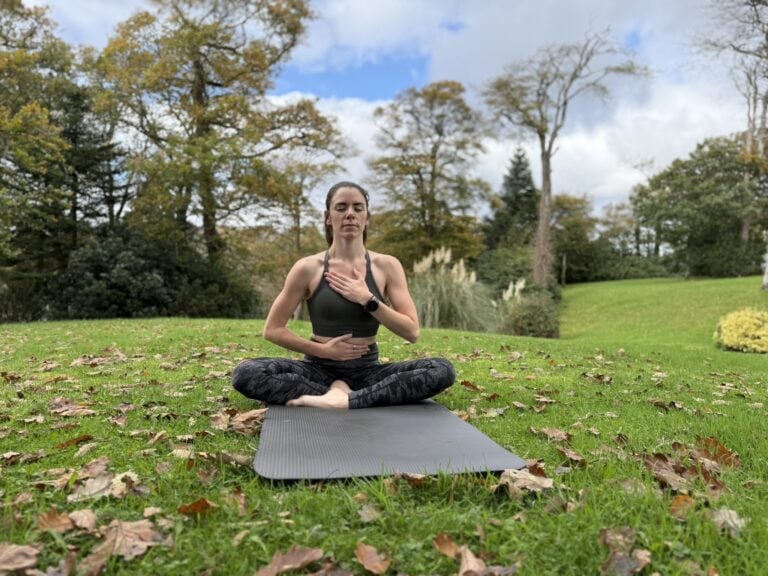
Gentle forms like Pranayama, coherent breathing, or belly breathing are typically safe for most people—but it’s still best to listen to your body and get professional advice.

For Mothers and Women: Why This Matters
As women, our stress and hormone levels fluctuate more often than we realise. You might already feel wired or overstimulated from mental load, caregiving, or work pressure.
Adding intense breathwork on top of that can sometimes amplify anxiety or make you feel light-headed.
If you’re pregnant, postpartum, breastfeeding, or simply running on little sleep—it’s absolutely fine (and wise) to choose gentler breathing. Your body is already doing deep internal work. Rest and slow, steady breaths are often exactly what you need.
Gentle Alternatives if You’re Unsure
If you want to enjoy the benefits of breathwork safely, start with softer techniques that calm your nervous system without putting extra strain on your body:
- Coherent breathing (5–6 breaths per minute) — great for anxiety and overstimulation.
- Alternate nostril breathing (Nadi Shodhana) — balances both sides of the brain and eases stress.
- Belly breathing through the nose — helps ground you and support relaxation before bed or during anxious moments.
These slower practices still activate your parasympathetic nervous system—the one responsible for calm, rest, and recovery—without creating unnecessary tension.
Listening to Your Body
If you start feeling dizzy, anxious, or emotional during breathwork, pause. Your body is communicating with you.
There’s no rush or competition in healing. Sometimes the most powerful practice is simply closing your eyes, breathing naturally, and letting yourself rest.
Recommendations
Always speak with a medical professional if you are unsure. Every situation is individual, depending on your health history and the intensity of the breathwork technique.
If you are attending a facilitated session, let your instructor know about any conditions or medications. If you’re practicing at home, start slow, stay mindful, and never push through discomfort.
You’ll quickly learn what feels right for your body—and that awareness itself is part of the practice.
You Know Yourself
Breathwork should never feel like another thing you “have to get right.”
It’s a supportive tool to help you connect, release, and reset.
Whether you’re a mother juggling nap schedules, a professional glued to a laptop, or simply someone who feels constantly “on,” gentle awareness of your breath can bring deep calm without strain.
Start slow, listen often, and trust that your breath knows what you need.
If you’re not sure where to begin safely, download my Functional Breathing Cheat Sheet to get started with easy, everyday breathing habits. From there, you can explore deeper breathwork when your body is ready.