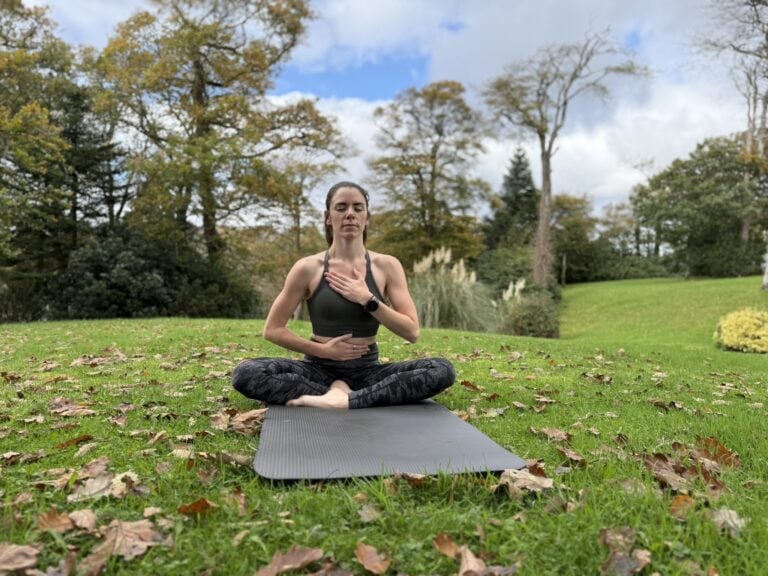
Breathwork for Anxiety Relief: Simple Practices That Really Help
If you’re a woman who’s constantly juggling work, motherhood, responsibilities, or the endless mental load, anxiety can settle into your day more easily than you’d like. One of the simplest ways to shift your body out of stress is through your breath. Breathwork for anxiety isn’t about long practices or complicated techniques — it’s about learning how to use your breath as a tool to calm your mind in real time.
I’ve experienced this through my own breathwork coaching and freediving background, where steady, functional breathing is the foundation of staying calm under pressure. When your breath is balanced, your mind steadies. When the breath becomes fast, shallow, or irregular, anxiety usually follows. They’re deeply connected.
Below, I’ll walk you through why breathwork works so well for anxiety, and the gentle techniques you can start using today.

Why Breathwork Helps Anxiety
Your Breath, Your Mind & Your Emotions Are Intertwined
Fast or shallow breathing sends a signal of danger to the body, which activates anxiety and spiraling thoughts. Calmer breathing does the opposite — it tells your brain, “You’re safe.”
Better Breathing = Better Sleep (and Less Anxiety)
Poor breathing patterns often lead to poor sleep, which then increases anxiety the next day. Improving your breath is an easy way to support deeper, steadier sleep — and a calmer baseline overall.
Breathwork Activates Your Parasympathetic Nervous System
Slow, gentle breathing stimulates the vagus nerve and shifts your system into “rest and digest.” Longer exhales are especially effective for this.
Functional Breathing Supports Clarity & Emotional Stability
Balanced oxygen + carbon dioxide levels help keep your brain clear, your body grounded, and your nervous system steady. A functional breath is the foundation for managing anxiety long-term.

The Best Breathwork for Anxiety (Simple, Safe, Effective)
Each of these techniques is gentle enough to use daily, or whenever you feel overwhelmed. For more on different breathing techniques and how to practice them, I share a lot of information about what type of breathwork is right for you, as beginners starting your breathwork journey.
Box Breathing
A balanced rhythm: inhale, hold, exhale, hold — all for the same count. This technique helps steady your heart rate and quickly calms racing thoughts.
Humming Breath
A slow inhale through the nose, followed by a long humming exhale. This vibrates the vagus nerve and instantly shifts the nervous system into relaxation.
Rhythmic Breathing with Gentle Retention
A steady breathing pattern with a soft pause after the exhale. This helps regulate your breathing rate and settle anxiety without strain.
Coherent Breathing (5:5)
Breathing in for 5 seconds and out for 5 seconds. This smooth, even rhythm balances the nervous system and creates an immediate sense of emotional steadiness.
Ujjayi Breath (Ocean Breath)
A soft constriction in the throat creates a slow, oceanic sound. This is grounding, warming, and great for moments of emotional overwhelm.
4–7–8 Breathing
Inhale for 4, hold for 7, exhale for 8. This lengthened exhale helps release tension and is especially helpful during nighttime anxiety or panic.
To get started with breathwork I share what techniques are best as a beginner in my blog post on beginner breathwork.

A Note on Safety
These practices are considered mild and safe for most people. However there are times when it is considered not safe to practice breathwork. If you’re pregnant, have heart conditions, or experience severe mental health challenges, please consult a medical professional before starting breathwork.
Finding What Works for You
Try one technique for a few days and see how your body responds. Notice whether your shoulders soften, your thoughts slow, or you sleep more deeply. Then switch to another technique and compare. Breathwork is personal — you’ll find the one that feels natural and comforting when you need it most.
Your breath is always available to you, no matter where you are or what you’re facing. It’s a powerful way to come back to yourself when anxiety feels overwhelming.
Want Personal Support?
If you’d like guidance on which breathing practices work best for your body, your nervous system, and your anxiety patterns, I offer one-to-one consultations and functional breathing training (both online and in person). I also have a free functional breathing cheat sheet available for anyone interested in getting started today.
Just email me — I’d love to help you feel grounded, steady, and supported through your breath.
About the Author

Elaina helps high-performing women who feel burned out reconnect with their bodies, minds, and breath. A somatic movement and breathwork guide, she teaches practical tools to release tension, reduce stress, and cultivate more energy and presence in daily life. Through 1:1 sessions, online programs, and free resources at Freedom in Life, Elaina empowers women to move, breathe, and thrive with ease.